 ServicesBeverage Destruction and RecyclingEthanol Recovery & ReclamationTax Compliance & RecoveryHand SanitizerHealth & Beauty Product RecyclingPlastic RecyclingTransportation & LogisticsSolar EnergyFacilitiesLouisville, KYOntario, CABronx, NYNew Bedford, MADenver, CODade City, FLSouthcoast Renewables ProjectIndustries ServedBeverage AlcoholHand SanitizerHealth & Personal CareBeautyManufacturingAboutBlogGuidesVideosFAQContact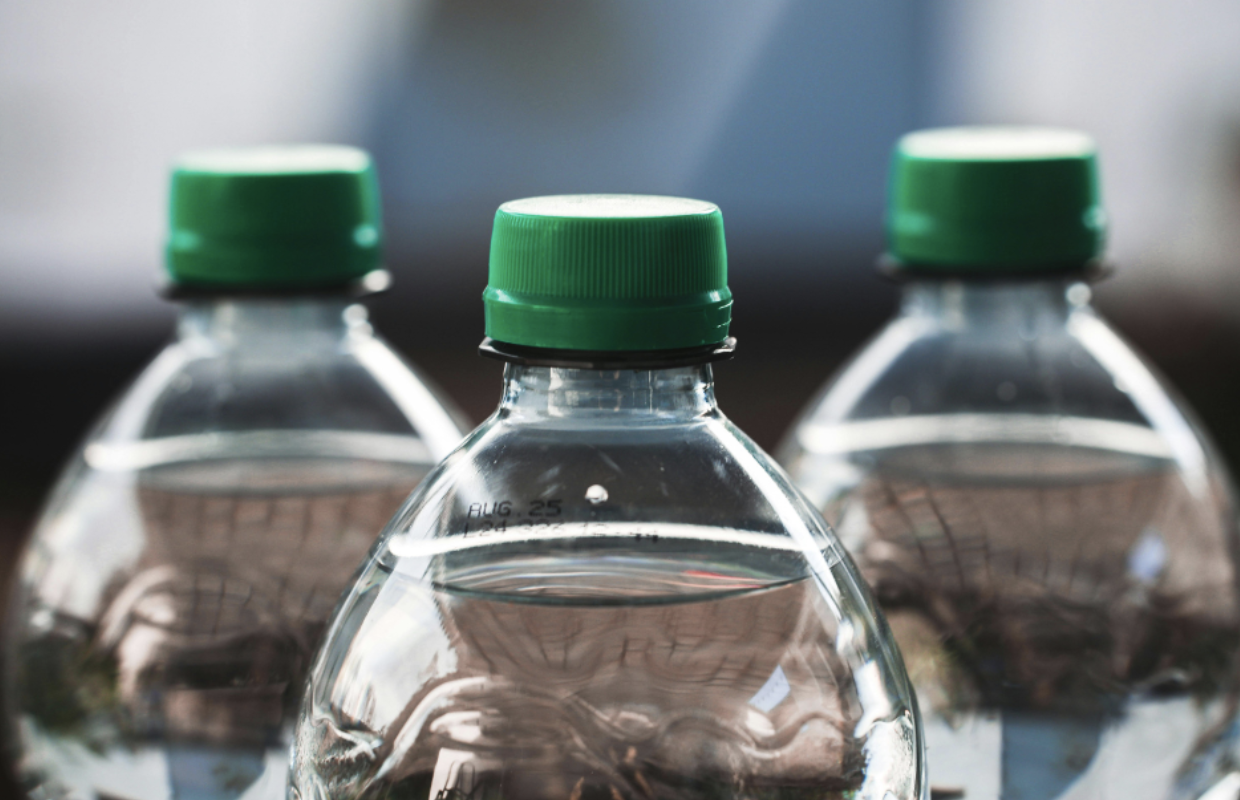
Understanding why bottled water has a shelf life—and what really happens to the water and the plastic bottle over time—matters more than most people realize. From changes in taste and safety to the slow breakdown of plastic, knowing how bottled water ages can help you make smarter decisions about production, storage, and responsible recycling.
Does water go out of date? In short: no.
So why does bottled water need an expiration date? The answer to that question is a bit longer.
Bottled water won’t rot or ferment like most other foods and beverages. In fact, H2O is an extremely stable compound. Printed expiration dates on bottled water have more to do with packaging stability than the water itself.
While water doesn’t have a best by date, plastic packaging does.
While water doesn’t expire, plastic bottles can degrade over time or when improperly stored.
The FDA places specific regulations on bottled water quality and safety that mean sealed water could theoretically last indefinitely.
Unfortunately, depending on how they're stored, plastic water bottles don’t maintain a perfect seal. Therefore, bottled water manufacturers commonly place “best-by” dates on their products to indicate peak taste. Answering the question “how long is bottled water good for” depends more on storage conditions than an exact length of time.
PET is the most common type of plastic used for disposable water bottles. It’s incredibly safe for food storage, but needs to be stored correctly. High temperatures, UV light, and physical stress can all cause PET to start to break down.
Plastic bottles that are improperly stored start to affect the quality of the water they hold. The effect is often noticeable as a different taste or even color of water. Perhaps you’ve left a plastic water bottle in the car for a period of time and noticed that its taste changed.
Expiration dates on water bottles support packaging stability, which does not necessarily correlate with the freshness of the water. Improperly stored water bottles can cause additives or chemicals from the PET to start to leach into the water, which is not ideal for water taste or quality.
You may be surprised to learn that plastic water bottles are slightly permeable. This means that the environment where bottled water is stored can affect its taste and quality over time.
Heat and UV exposure is harmful and particularly common. Plastic water bottles left in the sun, hot cars, or warehouses for extended periods break down, which allows chemicals to seep into the water.
Repeated freeze-thaw cycles can also deteriorate bottled water quality. As water freezes and expands, it may crack or burst. This allows outside contaminants into the water that affect its taste and safety.
Adverse storage conditions become particularly impactful over the long term. Luckily, it’s easy to identify bottled water that’s affected by a degraded container through changes in its appearance, smell, and taste. If bottled water seems “off” or tastes unusual, you may not want to drink it.
PET is one of the most frequently used plastic packaging materials worldwide. It’s also one of the most recycleable, making it an excellent candidate for diversion from landfills and back into the economy.
Currently, approximately 80% of plastic bottles go to landfill rather than being recycled. When plastic bottles go to a landfill, they take hundreds of years to break down. Even worse, plastic bottles that don’t make it to landfills clog waterways, disrupt ecosystems, and pollute the environment.
Unrecycled bottles aren’t just an environmental hazard, they’re also a wasted resource. This is why more beverage manufacturers are creating end-of-life plans for their packaging. As Extended Producer Responsibility (EPR) regulations ramp up, the most forward-thinking brands are investing in strategies to regain their packaging.
PET is high-value recyclable plastic and can be recycled multiple times. Recycling water bottles into new packaging creates a more circular economy where products are reused instead of exiting the loop.
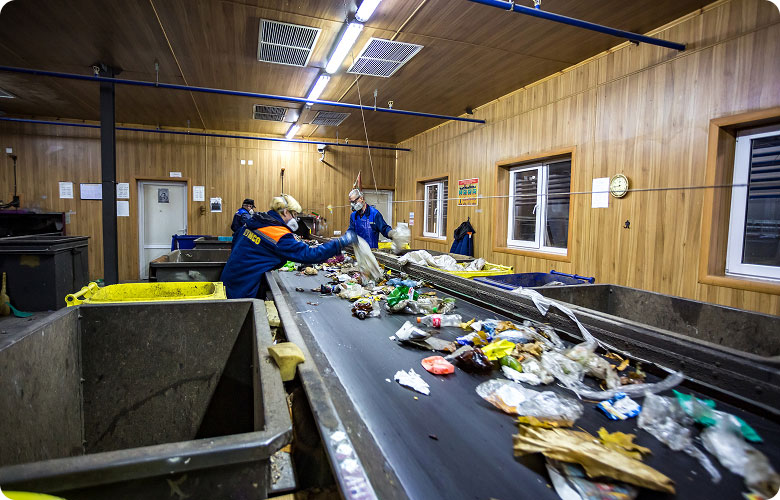
The recycling process for PET begins with recovering packaging, which is then processed and sorted. The plastic is thoroughly cleaned before being pelletized, at which point its ready to be made into new bottles.
Recycled PET (rPET) can be used for more than just plastic water bottles, although this is its most common use. rPET’s durability makes it ideal for a variety of bottles, food containers, and packaging.
For brands, the benefits of recycling packaging are threefold. Recycling shows commitment to stated sustainability goals, which builds trust with shareholders and consumers. It also demonstrates compliance with regulations, especially with a responsible partner like Parallel Products. Finally, recycling packaging reduces waste, thereby also reducing costs.
Bottled water’s impact on the environment is bigger than its impact on health. Recycling PET bottles makes the most of the useful material already in circulation instead of constantly requiring new production.
Properly recycling plastic bottles reduces landfill volume by diverting what would have been large quantities of waste. These bottles may also end up in waterways where they disrupt ecosystems, causing a different kind of environmental harm.
Plastic water bottles are 100% recyclable. Making them into something new reduces our carbon footprint and reduces the need to repeatedly produce new PET.
From time to time, businesses end up with quantities of bottled water that are no longer safe to drink or viable for resale. However, that doesn’t mean the landfill is the only option.
The best path for these bottles of water is recycling with Parallel Products. Our process of PET recycling and materials recovery extracts value from these materials, transforming them from trash into the building blocks for something new.
In addition to safeguarding the environment, partnering with Parallel Products protects brands from liability, negates contamination risk, and reduces supply chain waste. All three translate into financial savings, and that’s not the end of the benefits. Parallel Products coordinates pick-up and transportation of materials across the United States, Canada, and Mexico, making materials recovery easy and accessible.
Parallel Products recycling process results in color sorted bales and color sorted flake products prepared for further steps in the rPET process.
For unopened beverages that are expired or unsaleable, Parallel Products offers secure destruction for brand protection. Our zero-landfill material recovery process reclaims valuable resources that would otherwise go to waste.
A perfect example of this process is alcoholic beverage destruction and recycling. Parallel Products transforms recovered ethanol from these products into renewable fuels. These resources are then used in replacement for non-renewable fuels, such as fossil fuels.
While water doesn’t expire, plastic bottles do have a shelf life. When they reach the end of it, recycling is the best strategy to protect consumers and the environment. Parallel Products’ experience keeping plastic bottles out of landfills and in the circular economy maintains brand integrity, quality standards, and environmental responsibility.
Contact Parallel Products today for tailored solutions for beverage destruction and recycling.