 ServicesBeverage Destruction and RecyclingEthanol Recovery & ReclamationTax Compliance & RecoveryHand Sanitizer Recycling
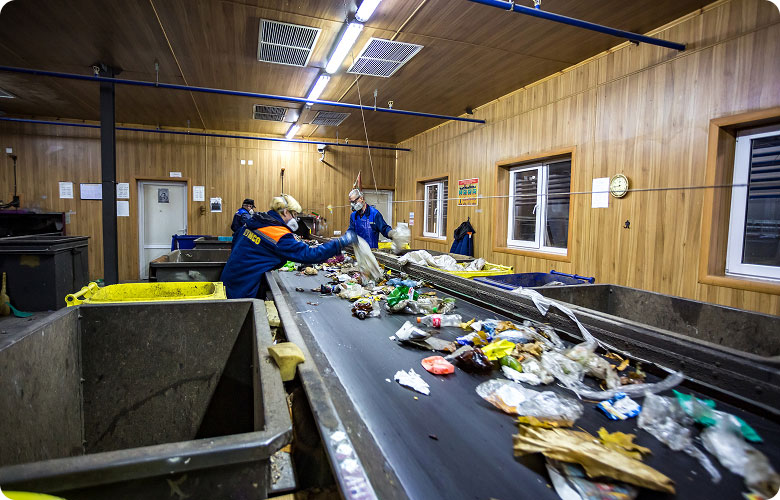
Unsellable beverage inventory — expired, off‑spec, or damaged stock — costs more than you think. Beyond product value, companies pay tipping fees, wastewater charges, and extra logistics and carrying costs. Improper disposal can bring regulatory fines and damage your brand’s reputation in the United States and abroad.
Sending drinks to a landfill or down the sewer may seem easiest, but it’s neither safe nor cheap.
That old approach increases environmental impacts, wastes raw materials and organic materials, and looks bad to customers and investors.
A data‑driven shift from waste management to resource recovery can improve the bottom line and long‑term resilience.
What it is: Sugar‑rich beverages can be fermented and distilled into ethanol for industrial or fuel use.
Why it works: Drinks with high sugar content (sodas, juices, mixers) convert well into alcohol.
Ethanol production from waste turns waste into a saleable product. It reduces reliance on fossil fuels. It also creates cost savings for operations.
What it is: Anaerobic digestion breaks down organic liquids and makes methane.
You can use methane for heat or electricity. The leftover digestate can be a soil amendment.
Best for: Large volumes of dilute beverage waste or mixed streams where direct ethanol is inefficient. Anaerobic digestion supports industrial organic waste recycling, improves energy efficiency on site, and lowers carbon footprint reduction goals.
Some beverage solids or concentrated liquids can be turned into good feed ingredients after proper testing and processing.
Best for: Streams with nutrients — sugars, proteins, or fiber — that meet safety standards. This byproduct synergy can reduce carrying costs and provide value within product lifecycles.
What it is: Treatment systems can reclaim water from beverage waste for non‑potable industrial uses.
Why it matters: Reclaimed water lowers freshwater demand. It reduces transport and treatment needs. It cuts waste and makes operations more efficient.
Lower disposal costs: Cut wastewater surcharges to improve your bottom line.
Tax and accounting benefits: Using certified recycling and recovery channels can make disposal costs deductible. It can also improve accounting treatment and support long-term financial planning.
Brand and compliance benefits: Following the EPA food recovery hierarchy and adopting circular economy practices improves ESG reporting and public perception. Customers and partners prefer brands that reduce waste and act responsibly.
Choose the right partner: Look for permitting experience, multiple technology options (distillation, anaerobic digestion, feed processing, water treatment), and traceable chain‑of‑custody records.
Good providers deliver clear reporting for compliance and ESG metrics and help with unsellable inventory management and industrial wastes.
Commission a custom waste audit: Measure unsellable product volume and test composition — sugar (Brix), alcohol content, pH, and contaminants. Use sales data and SKU rationalization to identify frequent loss points and focus on high‑quality recovery opportunities.
Plan logistics and collection: Moving liquids in bulk needs the right containers, staging, and pickup frequency. Efficient routes lower transport emissions and costs.
Quick checklist:
With a simple audit from the right partner, beverage waste can become raw material.
It also needs careful tracking of market trends and product lifecycles. It can become ethanol, renewable energy, animal feed, or reclaimed water.
These organic recycling and industrial organic waste recycling solutions cut costs, improve energy efficiency, reduce carbon footprint, and support long‑term sustainability.
Stop pouring your profits down the drain.
Contact Parallel Products for a custom waste-to-resource audit – and learn which conversion pathway gives the best ROI and cost savings for your unsellable inventory.