 ServicesBeverage Destruction and RecyclingEthanol Recovery & ReclamationTax Compliance & RecoveryHand Sanitizer Recycling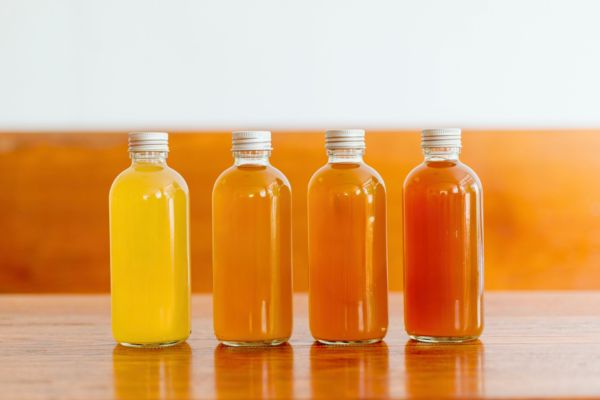
Probiotic & prebiotic sodas have become popular options for people who want something flavorful and refreshing. But remember, proper disposal matters, especially for brands and retailers managing expired or unsellable inventory.
Whether you are clearing out your refrigerator at home or handling larger volumes of product at a facility, understanding the right disposal process reduces waste and prevents messes.
The first step is identifying the packaging. Most kombucha and prebiotic/probiotic sodas are sold in either aluminum cans or glass and plastic bottles.
In many cases, containers can be recycled, but they should be emptied first. Leftover liquid can interfere with recycling streams and attract pests during storage or transport.
For consumers, that usually means pouring any remaining beverage down the drain unless local rules say otherwise. For businesses with larger amounts of out-of-code product, the process is more involved and may require depackaging and liquid separation.
In many cases, yes. Aluminum cans are widely recyclable and are often the easiest format to recover. Glass bottles may also be recyclable depending on local programs. Plastic acceptance can vary based on resin type.
Before recycling, containers should be empty and free of excess liquid. A quick rinse may also help in some cases.
For businesses or brand owners, the best approach is to recycle probiotic soda containers through a program or service that can manage product destruction and verified recycling outcomes at scale.
A strong probiotic soda disposal process should focus on safe emptying and responsible recycling whenever possible.
If the leftover beverage is still in the container but no longer wanted, separate the liquid from packaging before disposal. Small amounts can often go down a sanitary drain, followed by water to rinse it through. Businesses should follow local wastewater rules before disposing of larger quantities.
This is especially important for kombucha (which may continue fermenting over time) and for probiotic sodas (which can contain fibers and sweeteners that complicate bulk handling).
Expired, recalled, dented or leaking kombucha and probiotic/prebiotic soda products should not simply be thrown away. This is especially true for distributors and retailers dealing with larger quantities.
Improper disposal can create sticky waste and higher landfill costs. It can also lead to missed opportunities to recover recyclable materials.
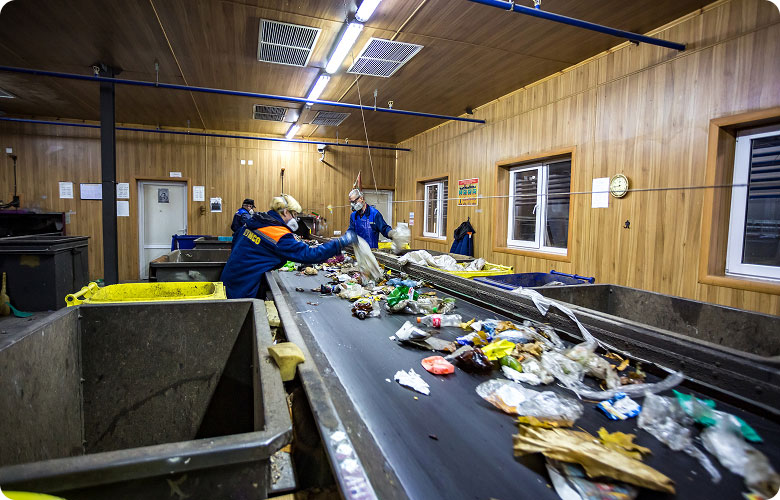
Professional beverage destruction and recycling services can help ensure products are handled safely and efficiently. That may include depackaging the product, destroying branded goods and recycling the containers.
At home, disposal is usually straightforward. Empty the beverage, check local recycling rules and place accepted containers in the proper bin.
For businesses, the process requires more planning. Separate liquid from packaging so recycling is easier. Sort materials by type so recovery is more efficient. When possible, avoid landfill and work with a disposal partner that can support compliant destruction.
Tracking recycling outcomes can also help support sustainability goals.
As more functional beverages enter the market, companies need disposal solutions that can keep up with production demands. A reliable disposal strategy can protect operations and support sustainability efforts.
For households, a few extra steps can make a difference. For businesses, the right partner can turn a messy waste issue into a more efficient recovery process.
Contact Parallel Products for safe, efficient disposal of probiotic soda containers and a more sustainable path forward.