 ServicesBeverage Destruction and RecyclingEthanol Recovery & ReclamationTax Compliance & RecoveryHand Sanitizer Recycling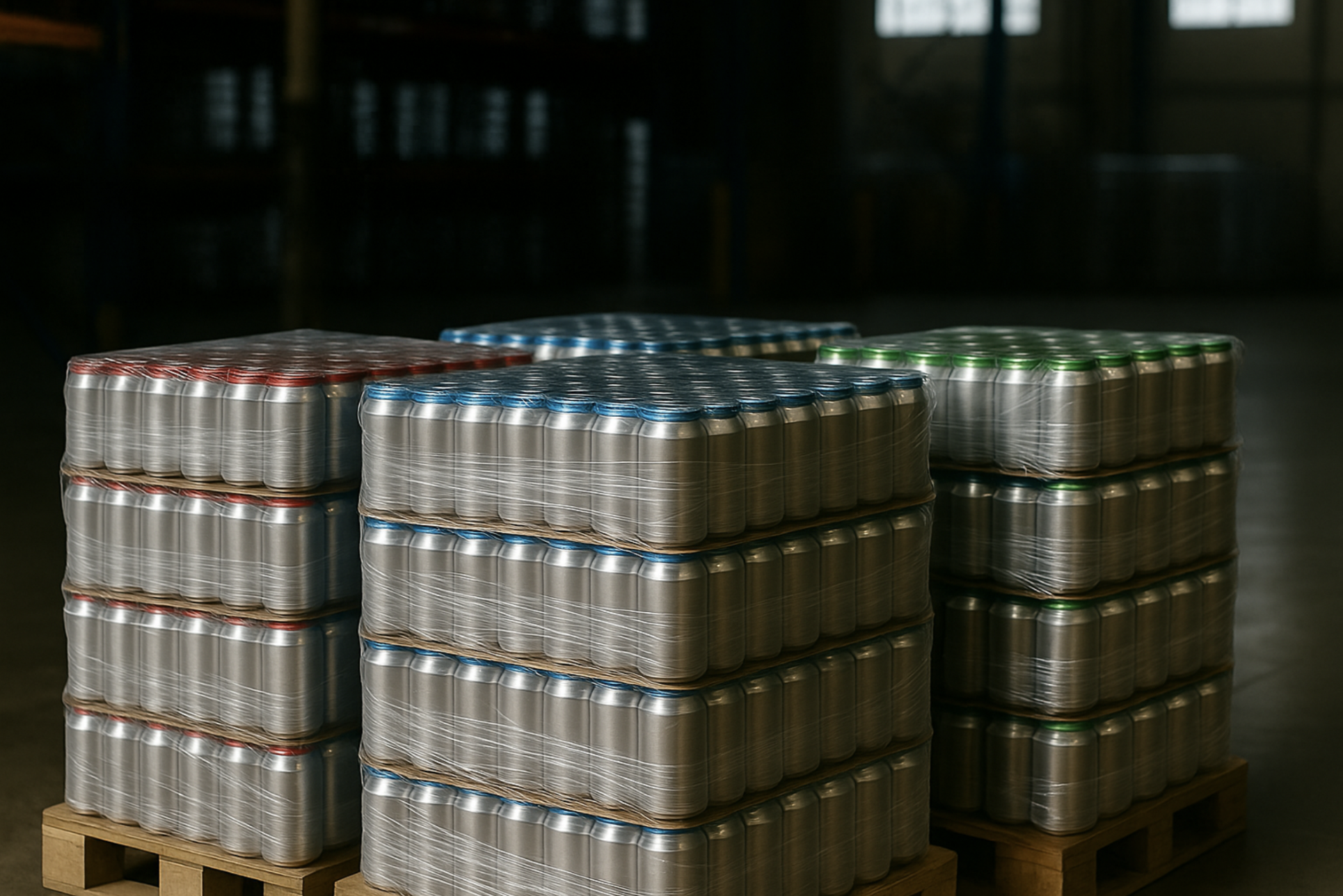
Every industry has waste. It’s an inevitable part of doing business, a loss you just have to accept…or do you?
There’s a solution to the waste issue that isn’t a landfill or an incinerator: product recovery. And it’s not just an eco-friendly solution. Product recovery helps businesses reduce waste, make the most of their resources, and recover revenue. Waste doesn’t have to be a loss– it can be valuable.
Here’s how product recovery works, how it can benefit your business, and how to get in on it.
Product recovery is the process of extracting value from potentially wasted products, packaging, and more. The typical manufacturing system is “take-make-dispose.” It’s a linear progression from raw materials to finished product to waste.
Product recovery, on the other hand, contributes to a more circular economy. In the circular model, products are reclaimed and reused rather than being disposed of as in a linear economy.
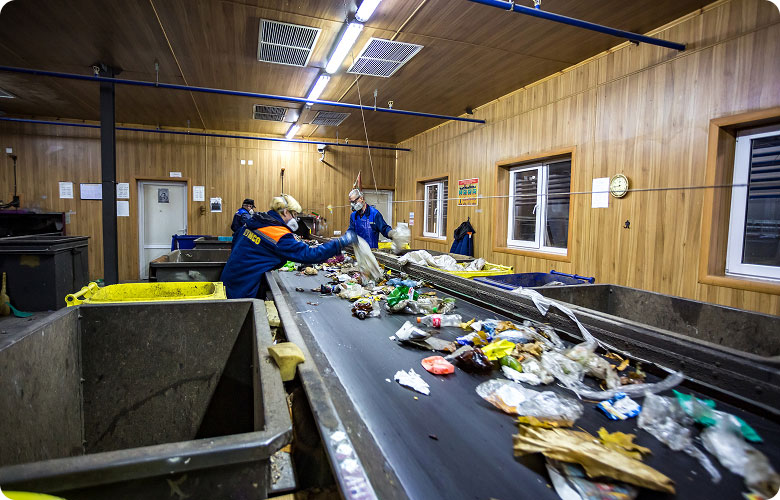
Recycling is the most commonly understood element of product recovery, but it is not the entire picture.
Recycling is also referred to as “down-cycling” because it degrades a product’s value or functionality. Recycled paper becomes, for example, toilet paper. Product recovery may include some elements of down-cycling. However, it’s a waste reduction strategy primarily aimed at higher-value reuse.
One of Parallel Products' specialties is ethanol recovery, a great example of high-value reuse. Our clients send us their unsaleable beverage alcohol, and we reclaim over 95% of the product as ethanol. This ethanol is then used as a substitute for fossil fuels and other non-renewable resources.
Product recovery is part of a larger waste-to-value approach that is becoming increasingly popular and profitable. It acknowledges that many “waste” elements are still usable or can be transformed into something that has value. Waste-to-value is an effective avenue for businesses to minimize the waste they create and discover additional sources of revenue.
Product recovery is somewhat unique because it simultaneously meets environmental and business goals. It diverts waste from landfills, reducing disposal costs and the cost of new materials.
Product recovery’s environmental impact has three main aspects. These are all interrelated and indicative of a waste management system that considers the future.
The positive environmental impact of product recovery is also an effective way to build trust in your brand. Aligning with corporate sustainability goals and ESG (Environmental, Social, and Governance) standards is increasingly important to consumers.
In the beauty industry, this is especially relevant. Product security and eco-friendly practices are of high importance for beauty brands aiming to maintain trust with consumers. Parallel Product reclaims health and beauty products that would otherwise be classified as hazardous waste, while maintaining the highest standards of destruction, record keeping, and reporting. Our clients rest assured that both their brands and the environment are being protected.
Detailed information on responsible waste management is available on the EPA’s sustainable materials management page.
Sustainable waste management has concrete business benefits, even setting aside brand reputation. Product recovery leads to direct savings and opportunities for revenue generation as well as increased brand value.
Parallel Products’ years of experience in product recovery enable us to maximize our clients’ tax rebates and incentives. We deliver tangible returns, often enabling annual savings totalling $100,000 to $1,000,000.
Parallel Products’ expertise in comprehensive ethanol disposal and recovery is one way we simultaneously protect brand names and the environment. We are able to reclaim at least 95% of waste beverage product and transform it into ethanol.
Through product lifecycle management systems, over 6.5 million gallons of our waste-derived ethanol can go back into use. This ethanol is used to replace products typically made from nonrenewable resources, such as fossil fuels. By properly removing these waste products from the market and recycling them, Parallel Products ensures complete brand protection as well as environmental consciousness.
In health and beauty product recycling, Parallel Products’ commitment to product security is especially clear. We adhere to the highest standards in destruction, record keeping, and reporting for name-brand products. Our reclamation services also make it possible to transform hazardous waste into alternative fuel. This process reduces disposal costs and the carbon footprints of our clients.
Parallel Products’ position as an industry leader in beverage destruction and recycling is a great example of product recovery as more than an environmental initiative. While environmental
responsibility is an important driver of product recovery, its business advantages are important to highlight as well. Effective product recovery gives businesses a competitive advantage and allows them to be more profitable.
Managing and processing beverages falls under strict regulation from various regulatory bodies. The Tax & Trade Bureau, U.S. Customs, and the FDA require specific record-keeping, destruction, and other practices. Properly removing beverages from the market and recycling is a serious undertaking that requires a trusted partner. Parallel Products is efficient and innovative while navigating these regulations, providing the best possible returns to our clients.
In addition to complying with regulations, waste management requires careful reputation management. Smart product recovery enhances the trust that consumers have in the brands they use. An effective product recovery partner should take these factors into consideration when developing a partnership with any brand.
Product recovery is an essential brand protection strategy because it maintains control over a brand’s image throughout the entire product lifecycle. Sloppy waste disposal leaves brand image up to chance, and a misstep could potentially undermine even the most carefully produced image.
To get the most value from product recovery, specialized providers like Parallel Products are critical. Successful product lifespan management systems require expertise and experience.
Parallel Products understands how to best extract value from waste products and ensure compliance with relevant regulations across various industries. Different industries and product types require different solutions. You need a product recovery specialist to find the best solution for your business. Minimizing waste while maximizing value requires up-to-date technology and innovative solutions.
Additionally, maximum product recovery depends on effective infrastructure. Parallel Products has large locations throughout the U.S., which allow us to reduce transportation costs and process large volumes of products.
A range of brands and industries trust Parallel Products to recover value and uphold their reputations. For tailored product recovery solutions, reach out to our experts today.
Product recovery is in the rare position of being both the responsible and profitable choice. Implementing product recovery effectively saves resources, protects brand names and reputation, and supports sustainability. It’s clear that more and more industries are tackling product recovery and enjoying the benefits.